
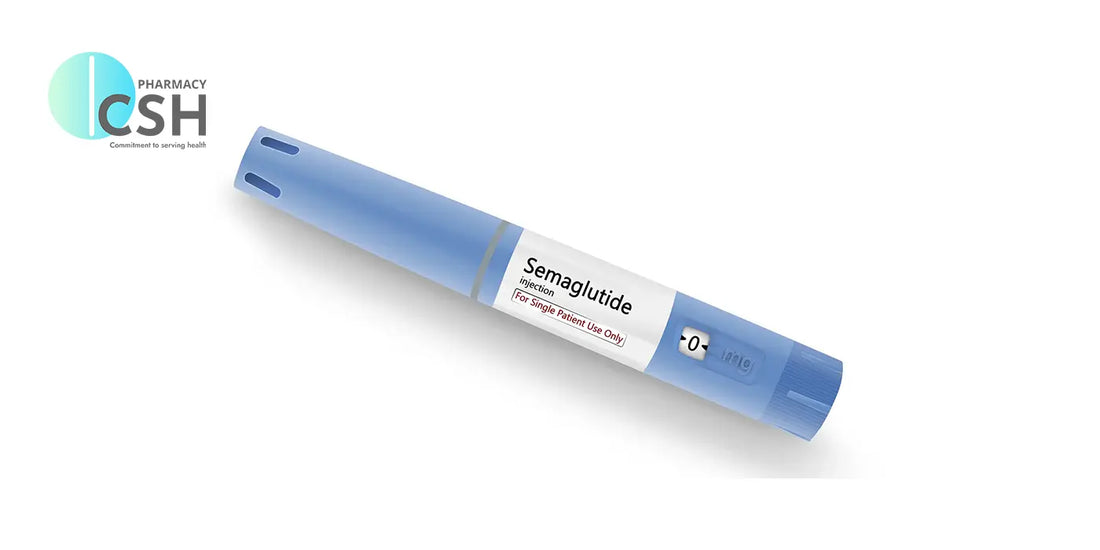
Semaglutide is a medication that has gained significant attention in recent years for its powerful effects on blood sugar control and weight management. Originally developed to treat type 2 diabetes, it has since been recognized for its broader health benefits, including reducing the risk of heart and kidney problems and even treating a serious liver condition.
What Is Semaglutide and How Does It Work?
Semaglutide belongs to a class of drugs known as glucagon-like peptide-1 receptor agonists (GLP-1 RAs) . These medications work by mimicking a natural hormone in your body called GLP-1, which helps regulate blood sugar and appetite .
Think of GLP-1 as a key that unlocks several beneficial processes in your body. When you take semaglutide, it activates the GLP-1 receptors, leading to a cascade of positive effects . It works through three primary mechanisms:
Stimulating Insulin Release: It prompts your pancreas to release insulin, but only when your blood sugar levels are high. This helps lower blood glucose without causing dangerous lows .
Reducing Appetite: It acts on areas of the brain that control hunger, increasing feelings of fullness and reducing cravings, which naturally leads to eating less .
Slowing Digestion: It modestly delays how quickly food leaves your stomach, helping you feel full for longer after a meal and preventing sharp spikes in blood sugar .
This combination of actions makes semaglutide a highly effective tool for managing type 2 diabetes and helping individuals achieve significant weight loss when combined with a healthy diet and exercise.
The Different Forms of Semaglutide: Ozempic, Sematide Injection, Semo Tablets, Wegovy
Semaglutide is available under different brand names, each with specific approved uses. All contain the same active ingredient, but they are approved for different conditions and come in different strengths and forms.
Who Can Use Semaglutide?
The specific health conditions for which semaglutide is approved have expanded over the years. Here are the key areas where it is proven to be effective.
1. Type 2 Diabetes Mellitus
This was the first approved use for semaglutide. It is indicated as an adjunct to diet and exercise to improve glycemic (blood sugar) control in adults with type 2 diabetes . Clinical trials, including the SUSTAIN series, have consistently shown that once-weekly semaglutide is superior to placebo in controlling blood sugar and reducing body weight .
2. Weight Management (Obesity and Overweight)
For individuals whose primary goal is weight loss, Wegovy is the specific formulation approved for this purpose . Research has shown it to be highly effective. The OASIS 2 clinical trial, for example, found that participants taking a 50 mg oral dose of semaglutide achieved a mean body weight reduction of 14.3% compared to only 1.3% in the placebo group .
This option is typically prescribed for:
Adults with a body mass index (BMI) of 30 or greater (classified as obesity).
Adults with a BMI of 27 or greater (classified as overweight) who also have at least one weight-related health condition, such as high blood pressure, type 2 diabetes, or high cholesterol .
3. Cardiovascular Risk Reduction
Semaglutide has been proven to reduce the risk of major adverse cardiovascular events (MACE), including heart attack and stroke. Landmark trials like SUSTAIN 6 found that patients with type 2 diabetes and high cardiovascular risk had a significantly lower risk of cardiovascular events when taking semaglutide . This benefit applies to:
4. Kidney Disease Protection
In a significant development, the FDA approved Ozempic injections in January 2025 to lower the risk of worsening kidney disease, kidney failure, and cardiovascular death in adults with both type 2 diabetes and chronic kidney disease. This makes it the first and only GLP-1 medication approved for this specific use .
5. Metabolic Dysfunction-Associated Steatohepatitis (MASH)
MASH, a severe form of fatty liver disease characterized by liver inflammation and scarring (fibrosis), affects millions worldwide . In August 2025, Wegovy injections became the first and only medication approved to treat MASH in adults with moderate or advanced liver fibrosis . This approval marked a major milestone in managing this chronic liver condition.
Important Safety Information and Contraindications
While semaglutide is highly effective, it is not suitable for everyone and comes with important safety warnings.
Who Should NOT Use Semaglutide (Contraindications)
Semaglutide is contraindicated in people with:
A personal or family history of medullary thyroid carcinoma (MTC) or in patients with Multiple Endocrine Neoplasia syndrome type 2 (MEN 2). This is due to a Boxed Warning (the FDA's most serious warning) about the risk of thyroid C-cell tumors observed in animal studies .
A prior serious hypersensitivity reaction to semaglutide or any of its ingredients .
Common and Serious Side Effects
Semaglutide is not for the treatment of type 1 diabetes . You should also be aware of the following risks:
Gastrointestinal Issues: The most common side effects are related to the digestive system. In clinical trials, gastrointestinal adverse events were reported in 63.4% of participants taking semaglutide, compared to 34.8% on placebo . These can include nausea, vomiting, diarrhea, and constipation, and are often most pronounced when starting or increasing the dose.
Pancreatitis: Acute pancreatitis, which can be severe or even fatal, has been observed in patients taking GLP-1 receptor agonists like semaglutide. The medication should be discontinued immediately if pancreatitis is suspected and should not be restarted if confirmed .
Diabetic Retinopathy Complications: Patients with a history of diabetic retinopathy should be monitored, as complications have been reported in clinical trials .
Acute Kidney Injury: Due to the potential for volume depletion from gastrointestinal side effects, kidney function should be monitored in patients with renal impairment .
Hypoglycemia: The risk of hypoglycemia (dangerously low blood sugar) is increased when semaglutide is used in combination with other diabetes medications like insulin or sulfonylureas .
Gallbladder Disease: Acute gallbladder disease, including cholelithiasis (gallstones) and cholecystitis, has been reported. Patients should be evaluated if gallbladder disease is suspected .
The Future of Semaglutide
Research into semaglutide is ongoing, with scientists exploring its potential for other conditions. Beyond its well-known metabolic effects, researchers are actively investigating semaglutide's potential for treating heart failure, peripheral artery disease, substance use disorders, and even for reducing blood pressure through actions on the vascular smooth muscle cells .
Semaglutide in the South Asian Context
For South Asian populations, including those in Pakistan, semaglutide presents a powerful tool against the twin epidemics of type 2 diabetes and obesity. A 2025 phase 3 trial on Indian adults with type 2 diabetes showed that a once-weekly semaglutide injection effectively lowered HbA1c from an average of 8.36% to 6.81% over 24 weeks, with an average weight loss of about 4.5 kg and a mild, infrequent side effect profile . This data is highly relevant for the Pakistani population, which shares similar genetic and lifestyle risk factors.
As a prescription-only medication, it is crucial to consult with a qualified healthcare professional to determine if semaglutide is an appropriate option for your specific health needs and to ensure it is used safely and effectively. You can buy Semaglutide online in Lahore from CSH Pharmacy, an online pharmacy in Lahore.